





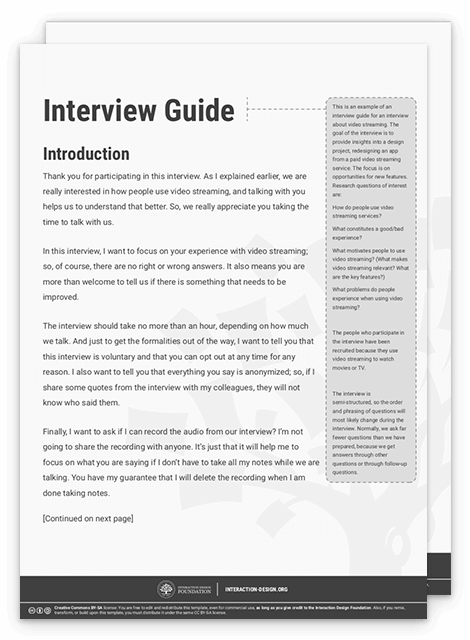

Fig.1: Switch multiple calendars on and off in Google Calendar
Import our complete calendar into your own calendar!
For example, using Google Calendar you can switch our Conference calendar on and off, as you see fit.
If you use Google Calendar, it's very simple:


Tip! You can copy-paste these URLs into any calendar product or homepage that supports the iCal/iCalendar format (.ics)!
Voila! You have all the important dates at a glance! Now you just need a stress management course...
You can even track conferences/deadlines through an RSS Feed
, if you prefer.
| Q | What if i don't use Google Calendar? |
|
|
That's fine too. All major software vendors support the iCalendar format. Save the two .ics files to your harddrive and go ahead and figure out how to import them into your software. Perhaps would be so kind as to send us a description of how to do the import using your software. We'll post your helpful tips on this page...
× close
|
| Q | What about Mac? |
|
|
Mac is also compatible with the iCal/ics format. In fact, that's why the calendar application on a Mac is called iCal! Please send us a description of how to use our calendar on a Mac, including screen dumps!
× close
|
| Q |
I use Outlook? |
|
|
Outlook 2007 is compatible with iCalendar. Users can add calendars under Account Options and set how often they should be updated. Individual calendars are shown as a list of checkboxes so you can view or hide a calendar without unsubscribing and they can be viewed as separate tabs or overlaid into a single calendar. Please help us by sending a description of how to use our calendar with Microsoft Outlook, including screen dumps!
× close
|
| Q | I'm technically minded. Is there more? |
|
|
The .ics format describes iCalendar Calendar Data. The format is described in RFC 2445. The format is used by ICal on the Macintosh and in the Mozilla Calendar project. Other programs like Outlook and Lotus Notes can also export and import .ICS files for synchronizing calendars.
× close
The same files can be requested through the webcal protocol (does not work for IE). The URLs are |