User stories caught on because they were quick and simple, but speed often came at the cost of real understanding. A “user” in a story is rarely more than a guess, shaped by the assumptions of whoever wrote it. When you shift to persona stories, you ground your work in real research and real people. That shift gives you more than better requirements: it gives you empathy to see the world through your users’ eyes, confidence that you’re solving the right problems, and alignment that brings your team together. With persona stories, your designs don’t just meet deadlines; they create solutions that matter.
In this video, William Hudson, User Experience Strategist and Founder of Syntagm Ltd, contrasts user stories with persona stories, showing how persona stories are based on researched personas, written in the third person, and created collaboratively.
Show
Hide
video transcript
- Transcript loading…
Personas Turn User Insights into an Individual You Can Design For
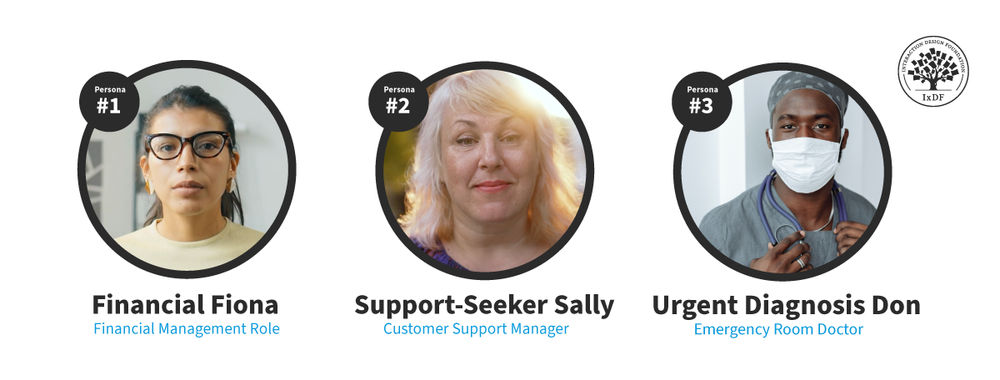
Personas are fictional characters that represent a subset of your users with shared needs, goals, and behaviors. Instead of designing for a vague “user” or abstract role, personas give you a concrete individual to empathize with and design for. They act as a research-backed reminder of who you're building solutions for, aligning the whole team around a shared understanding.
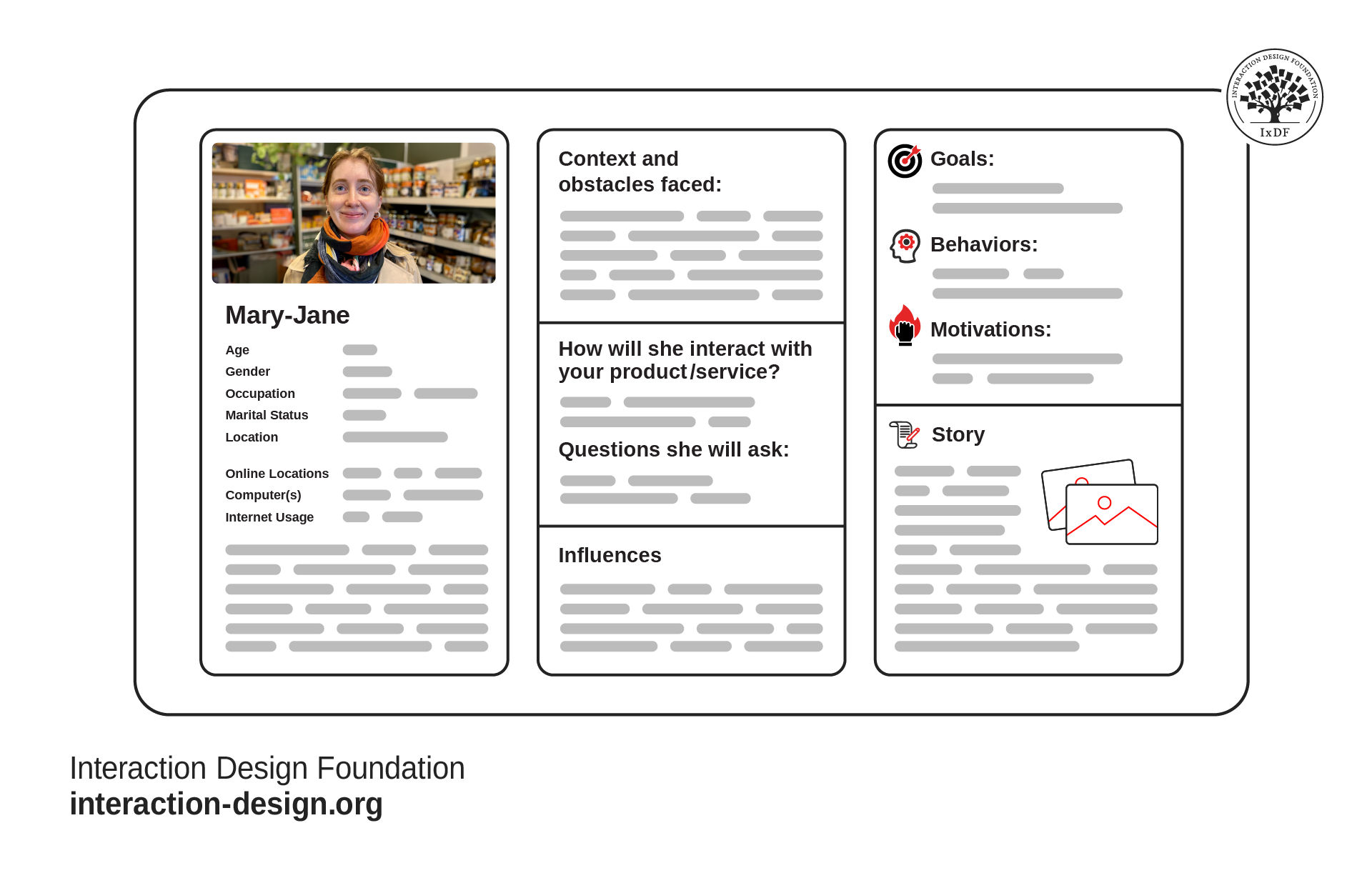
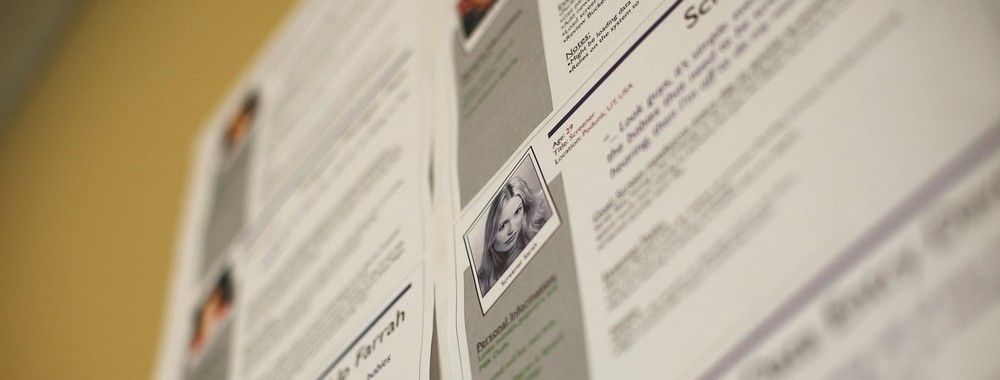
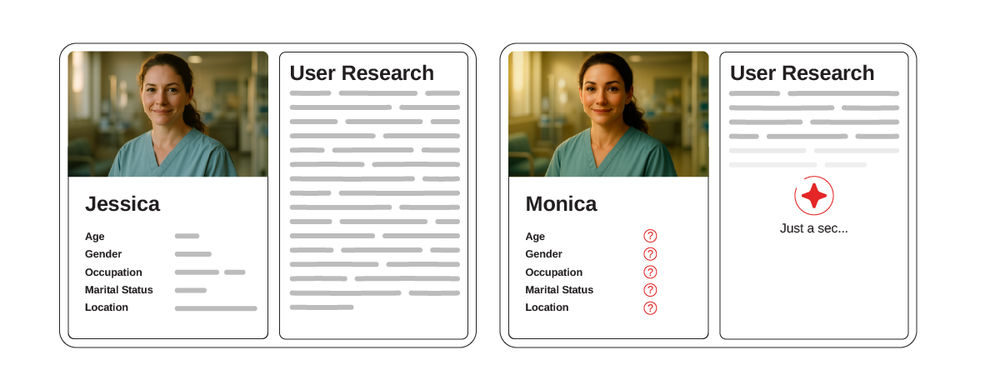
A persona is typically represented on a single page with a photo, name, relevant demographics, needs, and behavioral insights. All of this information serves to help you and your team continuously reference your users throughout design and development. When personas are front of mind, you naturally shape solutions around real user needs.
© Interaction Design Foundation, CC BY-SA 4.0
When you replace “users” with personas, your stories of use become a more powerful tool. They now carry context and personality, not just tasks to complete. They help you consider real behaviors instead of imagined ones, build empathy within your team, and guide design and development decisions that stay grounded in research. Most importantly, they change the question from “what do we think users might want?” to “what do we know this person needs?”
Roles don’t entirely go away with persona stories, but they're not the focus of attention. For example, a persona named Bob might assume both the roles of customer and passenger in an airline booking system. However, he remains Bob in both of those roles.
User Stories vs Persona Stories
In this video, William illustrates the difference between user stories and persona stories with a flight-booking example, showing how persona stories capture context and intent more clearly.
Show
Hide
video transcript
- Transcript loading…
The issues with user stories are:
Wrong focus (roles, not behaviors/needs).
Structural flaws (wordy, written in first person).
Written by software developers.
Based on imagination.
Often written before actual user needs are established.
In contrast, persona stories are written:
About researched user behaviors/needs.
In the third person.
By or in collaboration with UX/UCD practitioners.
After user research and some early design (basic conceptual modeling, for example).
Whether you are using user stories or persona stories, you must elaborate on them before they can be implemented. Elaboration turns a simple placeholder into actionable detail, clarifying assumptions, surfacing edge cases, and preventing costly misunderstandings during development. Ideally, this should be a collaborative effort between software developers and user experience designers.
Download Your Free Persona Story Template
This template guides you in writing effective persona stories that foster empathy and bring user needs into every conversation. It includes a comparison of user and persona stories, along with a worksheet to help you write your stories.
The Take Away
User stories grew out of use cases, but they don’t really help you design for people. At best, they acknowledge the functionality that must be implemented; at worst, they focus on abstract roles, rely on imagination, and ignore real needs and behaviors.
Persona stories change that. By shifting from roles to researched personas, you bring empathy, evidence, and clarity into your requirements. With collaboration between UX practitioners and developers, persona stories stop being placeholders and become a foundation for solutions that truly serve your users.
References and Where to Learn More
Personas are simple yet effective when applied correctly. Go back to basics in our article, Personas: What They Are and Why They Matter.
Discover all the benefits of persona stories, as well as important details about use cases and user stories in our Master Class with William, User Stories Don't Help Users: Introducing Persona Stories.
Want to know more about personas and how to use them effectively? Personas and User Research: Design Products and Services People Need and Want will show you how to gather meaningful user insights, avoid bias, and build research-backed personas that help you design intuitive, relevant products. You’ll walk away with practical skills and a certificate that demonstrates your expertise in user research and persona creation.
Hero image: © Shutterstock