You've heard of AI and all the wonderful—and sometimes scary—possibilities. But, unlike sci-fi apocalyptic movies, AI isn't out to destroy humanity. Let's take a look at the challenges and opportunities we face as AI meets Design.
In this video, Ioana Teleanu, Founder of UX Goodies, former Lead Product Designer (AI) at Miro, and former Senior Product Designer at UiPath, talks about the impact of AI on design from two perspectives: “Designing for AI” products and “Designing with AI”.
Show
Hide
video transcript
- Transcript loading…
How AI is Changing the World
AI is already reshaping our world, from its profound influence on healthcare and education to its transformative impact on transportation and agriculture:
Chatbots are commonplace, AI-generated art is everywhere, and prompt engineering is now an essential skill.
Stanford's AI Index Report shows AI adoption jumped from 55% of organizations in 2024 to 78% in 2025.
A report by PwC says that people with advanced AI skills earned a 56% wage premium compared to those without (based on nearly 1 billion job ads).
In this video, we'll navigate the intricate terrain of AI's far-reaching effects and explore the concerns it raises and its remarkable potential across diverse domains.
Show
Hide
video transcript
- Transcript loading…
The Take Away
In AI and design, we have two core aspects: "Designing for AI" and "Designing with AI".
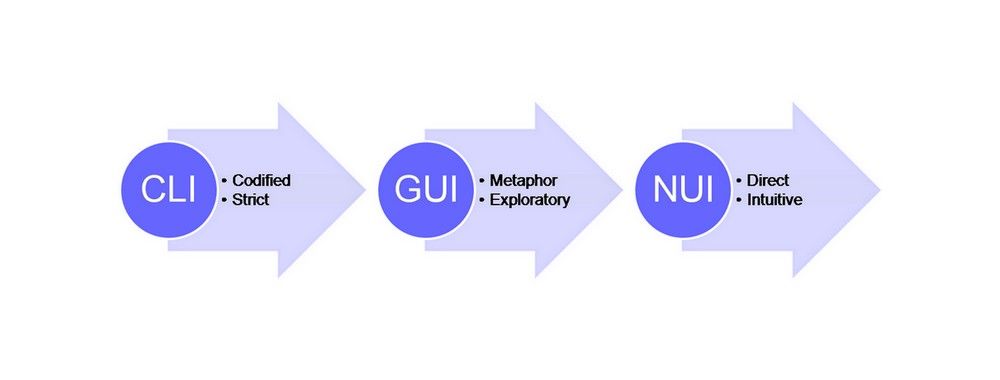
"Designing for AI" means that we incorporate AI into the solutions that we design. Don’t think of products based on detailed commands; rather, express goals and let AI work out the steps. This changes the way we think about products and solutions.
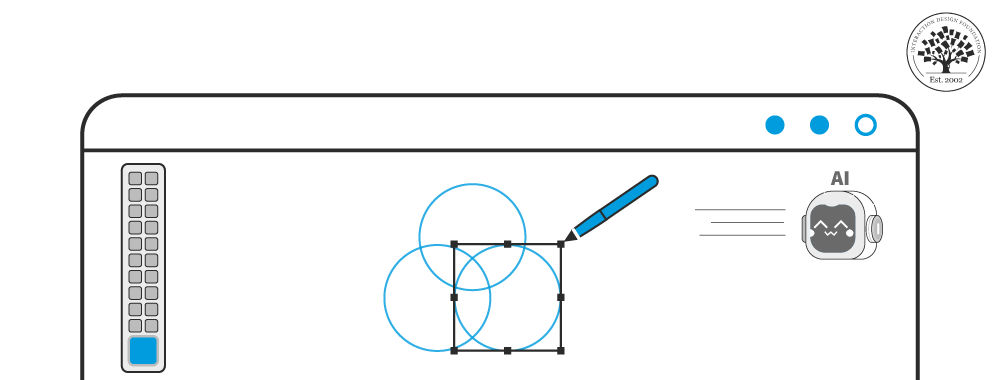
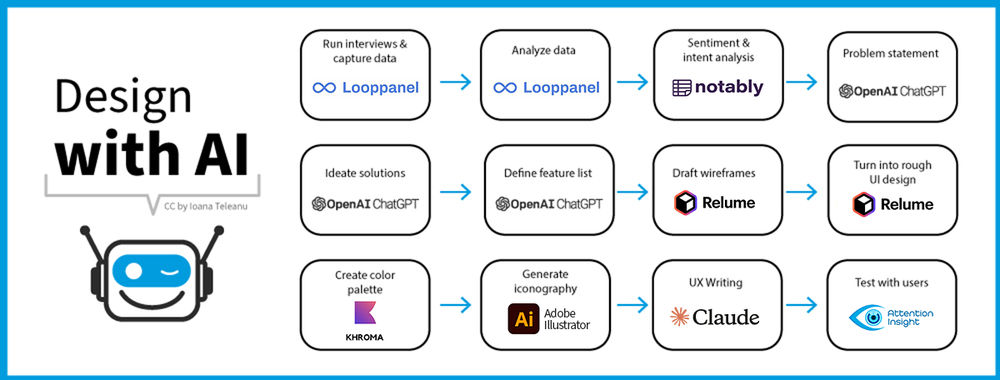
"Designing with AI" means that we can incorporate AI into our design process. We can think of it as a partner and collaborator. We can use AI as an exoskeleton and augment our capabilities.
AI brings both concerns and undeniable benefits. While some express worries about its rapid development, AI also holds immense potential. It can revolutionize healthcare, education, environmental sustainability, transportation, and productivity. Historically, such technological shifts have raised concerns, but they've ultimately led to new opportunities and societal changes. Thus, it's crucial to approach AI with a balanced perspective and recognize its dual nature.
References and Where to Learn More
Watch our 1-hour Master Class with Rafael Hernandez, Lead Product Designer, T. Rowe Price, and discover how to Get Ahead in Product Design with AI.
Explore our comprehensive article on Artificial Intelligence for a complete overview of AI in design, along with additional resources.
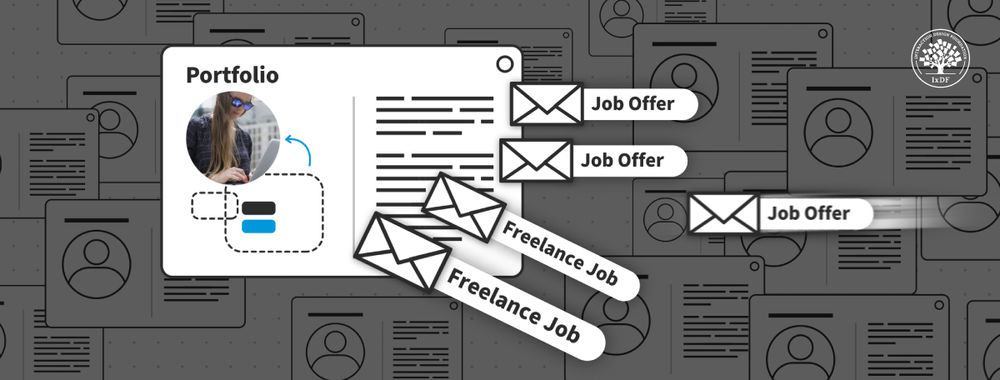
Find out how to get an AI efficiency boost as you build your design portfolio in our article, Create a Winning UX/UI Portfolio: Optimize with AI.
Hero image: © Interaction Design Foundation, CC BY-SA 4.0