How much can you earn as a UI or UX designer in 2026? The truth is that there's no single answer. Your earning potential depends less on averages and more on factors you can actually control. Designers using AI to accelerate execution while bringing strategic thinking, user empathy, and measurable business impact can command significantly higher compensation than those competing purely on design execution.
The market has clarified what it values: Specialists with in-demand expertise earn more than generalists, designers who prove business impact earn more than those who just make things look good, and professionals with strong networks access opportunities others are less likely to see.
The World Economic Forum reports that UX/UI designers are among the fastest-growing jobs globally, with 45% projected growth by 2030. Your earning potential in 2026 comes down to the skills you develop and how strategically you position yourself. This guide shows you exactly what drives higher compensation and how to build the skills that employers value most.
In this video, Niwal Sheikh, Product Designer at Netflix, explains why human-centered designers are essential as AI transforms the field, and how to work with technology rather than against it.
Show
Hide
video transcript
- Transcript loading…
What Drives Your Earning Potential?
Your salary depends on several factors. Some are within your influence, while others are not. You can't control the economy, your company’s budget cycles, or whether your industry enters a growth phase. But you can influence four key areas that make a real difference.
1. Your Skill Depth and Breadth
Employers pay more for designers who have strong fundamentals and expand their skills with intent. When you understand both UI design and UX design, you are more valuable than someone who only knows one. When you can research users, design interfaces, write clear copy, and validate ideas through tests, you become someone teams rely on.
Here is the reality: Breadth without depth makes you easier to replace. The most valuable designers combine a solid understanding of the full UX process with deep expertise in one or two areas. You might be a UX generalist with strong user research skills, or a product designer with deep accessibility knowledge. This T-shaped skill profile makes you flexible while still clearly differentiated.
The fundamentals matter more than ever because they're what AI can't replicate. You need to understand why users behave the way they do, how to structure information so it matches mental models, when to break patterns for good reasons, and how to balance business constraints with user needs. These decisions require human judgment, and that judgment improves with experience.
Watch Ioana Teleanu, AI x Product Design Leader and Founder of UX Goodies, explain exactly why AI can't replace the human skills that matter most, and how to use AI as your partner to enhance your capabilities:
Show
Hide
video transcript
- Transcript loading…
As you build your skills, focus on what will not become outdated. Design tools change. Frameworks rotate. But your ability to understand human behavior, conduct solid research, solve complex problems, and communicate clearly will stay valuable regardless of which tools come next. When you master these fundamentals, adapting to new tools becomes much easier.
2. Your Ability to Demonstrate Impact
Companies don't pay for design skills in isolation. They pay for the results those skills produce. When you can show that your work improved user satisfaction, increased conversion rates, or reduced support costs, you gain real leverage in compensation discussions. That is why documenting impact with concrete examples matters.
This shift from outputs to outcomes changes how you present your work. Instead of saying, “I redesigned the onboarding flow,” you say, “I reduced onboarding abandonment by identifying and removing three friction points through user tests.” Instead of saying, “I created a design system,” you explain how it reduced design-to-development time and improved consistency across platforms.
Start tracking impact early, even if the numbers feel small. Did your redesign lower support tickets? Did your prototype help the team avoid building the wrong thing? Did your research reveal an insight that shifted the roadmap? These outcomes show that you think like a business partner, not someone who only executes tasks.
Your portfolio should clearly show the problems you solved and the value you created. Strong case studies explain your thinking, justify your decisions, and point to measurable results. Employers want to understand how you work and what your decisions lead to, not just what your screens look like.
Designers who move ahead faster are those who can connect their design choices directly to business results. You don't need massive numbers. You need to explain cause and effect in ways that matter to the people deciding compensation.
3. Your Positioning and Specialization
Generalists earn solid salaries. Specialists with skills companies actively need often earn more. When you develop deep expertise in areas like UX research, design systems, or product strategy, you open doors to roles with stronger compensation. The key is choosing a focus that aligns with real business needs.
The market for general product designers is crowded because many people compete for the same roles. The market for accessibility specialists, design systems experts, or UX strategists who can align stakeholders is very different. These roles are harder to fill because they solve problems many companies struggle with.
Think about where your interests overlap with demand. If you care deeply about how people with different abilities use technology, accessibility offers meaningful work and strong pay potential. If you enjoy creating structure and consistency, design systems may be a good fit. If you are strong at guiding conversations and aligning teams, UX strategy could be your path.
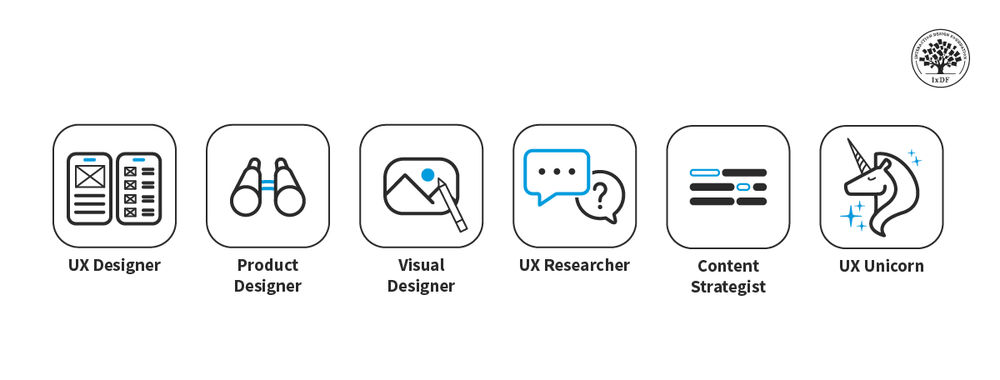
UI and UX design can lead to many roles with different pay ranges. Specialized roles such as UX researcher, UX strategist, or design systems specialist often pay more than generalist positions. Leadership roles like design manager or director come with higher salaries but require people management skills. Product design roles combine strategy and execution and usually offer competitive compensation. Freelancing can offer flexibility and higher hourly rates, though you take on business responsibilities yourself.
Designers with the highest compensation understand business strategy, work smoothly with engineers and product managers, and contribute beyond visual decisions. When you can connect design work to company goals and speak the language of the business, your career tends to move faster.
4. Your professional network and visibility
Your network expands your opportunities. When you connect with other designers, contribute to the community, and build your reputation, you'll hear about better positions before they're publicly posted. Many roles with strong compensation are filled through referrals, not job boards.
This isn't about collecting LinkedIn connections. It's about building genuine relationships with other professionals who respect your work. Attend design meetups or conferences when you can. Contribute to design communities. Share what you're learning. Help other designers when they ask questions. Write about your process or lessons learned.
Your visibility in the design community can open doors that cold applications never will. When a hiring manager has a role to fill, they often ask their network first. If you've built relationships and established credibility, you'll be top of mind when those opportunities arise.
Professional visibility also gives you market intelligence. You'll learn what skills are in demand, what companies are paying, and where the opportunities are before most people see them posted publicly. This information advantage helps you make better career decisions and positions you to move quickly when the right opportunity appears.
What About Experience Levels?
You'll earn more as you gain experience, but the rate of growth depends on how strategically you develop your skills and advance your career. Entry-level designers earn respectable salaries, senior designers with proven track records earn significantly more, and design leaders command top compensation.
The path isn't just about time in the field, it's about the value you create and the expertise you develop. Some designers advance quickly because they take on difficult projects, seek mentorship, and continuously expand their skills. Others plateau because they stay comfortable and avoid growth opportunities.
Here's what matters more than years of experience: Can you take on increasingly complex problems? Can you work with less direction? Can you influence decisions at higher levels of the organization? Can you mentor others? These capabilities matter more than how long you've held the title "designer."
Make Yourself Valuable in Any Market
Your earning potential ultimately depends on how valuable you are to employers or clients. You become more valuable when you:
Solve problems that directly impact business success.
Reduce risk through thorough research and tests.
Create designs that users love and that achieve business goals.
Collaborate effectively across teams and disciplines.
Stay current with best practices while you master timeless principles.
Communicate your value clearly through your work and your words.
When you receive an offer, remember you're negotiating for more than just salary. Consider the total package: Benefits, equity, professional development opportunities, and work flexibility. Research typical compensation for your experience level and location before you negotiate. Companies expect negotiation, and you'll often receive more when you ask professionally.
Own Your Future: Master High-Demand UX/UI Skills
UI and UX design offers strong earning potential because the skills are in demand across all industries. Every company needs to create products, services, and experiences that users truly love. When you develop the skills to make that happen, and when you can demonstrate your impact, you'll find opportunities for growth and increased compensation.
Here's why your career thrives as AI transforms the field. AI handles the tactical work, which means you get to focus on what actually creates value: Understanding human psychology, uncovering real insights through research, making strategic decisions, and solving complex problems. The designers who combine AI fluency with strong human judgment aren't just employable, they're the ones companies compete to hire.
Use AI to accelerate execution. Invest your time in timeless human-centered design skills, research, strategy, and the nuanced thinking that AI can't replicate. This combination is what drives premium compensation.
Start by building a strong foundation in user research, interface design, and usability principles. Then expand strategically into specializations that interest you and match market needs. Document your impact, build your network, and position yourself as someone who creates real value.
Your salary potential grows as you grow.
References and Where to Learn More
Ready to increase your earning potential? Explore the Interaction Design Foundation's courses in UX design, UI design, and specialized topics that'll help you build the skills employers value most.
Want to position yourself as the designer companies compete to hire? Take our course, AI for Designers, and master how to integrate AI tools into your workflow to work faster, strengthen the human skills that AI can't replicate, and combine AI fluency with strategic thinking to command premium compensation.